what should i do if my permanent tooth is loose
Dr. Syed Rayyan
Dr. Syed Rayyan is a medical professional and health writer focused on preventive care patient education and evidence based medical insights.
Dental Health Expert
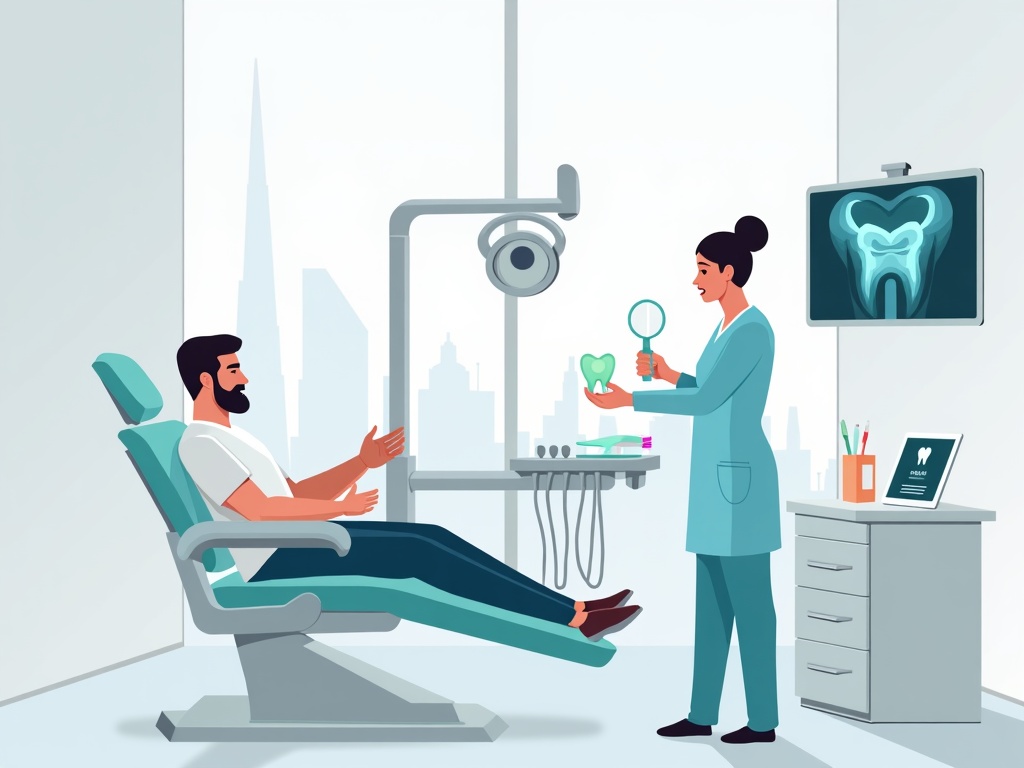
A permanent tooth that moves when you touch it is a dental emergency. This is not a symptom that resolves on its own, and the next 24 to 48 hours determine whether you keep that tooth or lose it. While the sensation of mobility in an adult tooth understandably causes alarm, the majority of cases treated promptly at Dubai dental clinics result in successful stabilization and full recovery.
This guide walks you through exactly what to do right now before you reach a dentist, why permanent teeth become loose in UAE patients, what diagnostic steps to expect at your emergency appointment, every treatment option available across Dubai clinics in 2026, transparent costs in AED, and how to book a DHA-licensed emergency dentist tonight even if it is a weekend. If you just discovered that your tooth feels loose and you are deciding whether to wait until Monday or act immediately, this article provides the clinical evidence you need to make that decision.
Medical disclaimer: this content is for informational purposes only and does not replace professional dental diagnosis or treatment. If you experience severe pain, facial swelling, fever, or difficulty breathing alongside tooth mobility, seek emergency medical care immediately.
What to Do Right Now If Your Permanent Tooth Feels Loose
Before you get to a dental clinic, these six steps protect the tooth and maximize the chance of successful treatment:
- Stop touching or wiggling the tooth. Every movement damages the periodontal ligament further. Resist the urge to test how loose it feels with your tongue or fingers.
- Avoid eating on that side completely. Do not bite down on the affected tooth. Stick to soft foods on the opposite side of your mouth until a dentist evaluates you.
- Rinse gently with lukewarm saltwater. Mix half a teaspoon of salt in a glass of warm water and swish gently for 30 seconds. This reduces bacteria around the tooth without applying pressure.
- Take over-the-counter pain relief if needed. Paracetamol or ibuprofen can manage discomfort while you arrange an appointment. Follow package dosing instructions.
- Do not attempt to push the tooth back into place yourself. Only a dentist can reposition a displaced tooth correctly and ensure the root is not fractured.
- Call a dental clinic immediately. Even if it is 8 PM on a Friday or a public holiday, most Dubai clinics operate emergency hotlines or have on-call dentists. Same-day appointments are standard for tooth mobility cases.
Waiting longer than 48 hours to see a dentist reduces the probability of saving the tooth by more than 60 percent. If the looseness resulted from trauma such as a sports injury, car accident, or blow to the face, this escalates to a true emergency requiring care within hours, not days. Most periodontal ligament damage from impact is reversible if splinted immediately but becomes permanent if you delay.
Why Permanent Teeth Become Loose in Adults
Adult tooth mobility always indicates underlying pathology or injury. Unlike baby teeth, permanent teeth do not naturally loosen. The five causes most frequently diagnosed in Dubai dental clinics are:
Gum Disease: The Most Common Cause in the UAE
Untreated gingivitis progresses to periodontitis, a bacterial infection that destroys the bone anchoring your teeth. Many UAE residents skip regular six-month cleanings due to insurance coverage gaps or work schedules, allowing plaque to harden into tartar below the gumline. This silent destruction continues for years without pain until the bone loss becomes severe enough to cause mobility. Smokers and patients with diabetes face significantly elevated risk. If gum disease caused the looseness, the tooth can typically be saved through deep cleaning, localized antibiotics, and temporary splinting while the bone regenerates.
Trauma and Sports Injuries
A direct blow to the face from contact sports, vehicle collisions, or falls can partially dislocate a tooth without fully knocking it out. Even seemingly minor impacts loosen the periodontal ligament that holds the root in the bone socket. Trauma cases always require X-rays to rule out root fractures, which are invisible during visual examination but change the treatment plan entirely. Mouthguards are mandatory in many Dubai sports facilities but frequently ignored by recreational players, leading to preventable injuries.
Additional causes include chronic teeth grinding (bruxism), particularly common in high-stress expat populations who clench their jaws during sleep, bone loss from untreated dental abscesses that erode supporting structures, and temporary ligament loosening during pregnancy due to hormonal fluctuations that increase blood flow to gums. Each cause requires a different treatment approach, which is why professional diagnosis through X-rays and periodontal probing is non-negotiable. DHA-licensed periodontists specialize in gum disease cases while oral surgeons handle trauma and extraction scenarios.
How Dentists in Dubai Diagnose a Loose Tooth
Your emergency appointment will follow a standardized diagnostic protocol to identify the cause and severity:
The dentist begins with a visual examination, gently testing the tooth's mobility in all directions and measuring movement in millimeters. Grade 1 mobility indicates slight horizontal movement, Grade 2 shows moderate movement in multiple directions, and Grade 3 means the tooth can be displaced vertically. This grading determines urgency and treatment approach.
Digital X-rays are taken immediately to assess bone levels around the root, check for fractures, and identify hidden infections. Most Dubai clinics use digital radiography that provides results within seconds on a chairside monitor. If gum disease is suspected, the dentist performs periodontal probing, inserting a thin measuring tool between the tooth and gum to measure pocket depth. Healthy pockets measure 1-3 millimeters; depths of 4 millimeters or more indicate bone loss. A percussion test involves tapping the tooth with a metal instrument to detect abscess pain or ligament inflammation.
The entire diagnostic process takes 15 to 30 minutes. You will leave with a definitive cause, mobility grade, and written treatment plan before any procedures begin.
Treatment Options for a Loose Permanent Tooth in the UAE
Treatment selection depends entirely on the underlying cause identified during diagnosis. Options range from conservative ligament support to surgical bone rebuilding:
Dental Splinting: First-Line Treatment for Trauma
Splinting is the standard emergency treatment for teeth loosened by impact. A thin flexible wire or composite resin bonds the mobile tooth to the adjacent stable teeth on both sides, completely immobilizing it while the periodontal ligament heals over a 2 to 6 week period. The procedure is painless, completed in a single visit under local anesthesia, and shows a success rate above 85 percent when performed within 48 hours of injury. You must avoid hard or chewy foods during the splinting period and maintain meticulous oral hygiene to prevent infection around the bonding material.
Deep Cleaning and Gum Therapy for Periodontitis
When advanced gum disease caused the looseness, treatment begins with scaling and root planing. This deep cleaning removes calcified bacterial deposits (tartar) from below the gumline and smooths the root surface to allow gum tissue to reattach. The procedure is performed under local anesthesia over one or two appointments depending on severity. Your dentist may place antibiotic gel directly into the gum pockets or prescribe oral antibiotics for 7 to 10 days. Tooth mobility often improves within 3 to 4 weeks as inflammation subsides, but complete bone stabilization requires 2 to 3 months. Ongoing maintenance cleanings every three months are mandatory for life to prevent recurrence.
For severe bone loss, bone grafting uses synthetic or donor bone material to rebuild the supporting structures around the tooth root. This surgical procedure requires 4 to 6 months of healing before the tooth fully stabilizes. If the loose tooth has an accompanying abscess or nerve damage, root canal therapy removes the infected pulp before any stabilization treatment begins. Patients who grind their teeth receive a custom-fitted nightguard to wear during sleep, eliminating the repetitive forces that loosen teeth over months or years. Extraction with implant planning becomes necessary only when the tooth has Grade 3 mobility with severe bone loss, multiple root fractures, or a crack extending below the gumline. Most Dubai periodontists exhaust every conservative option before recommending extraction.
Loose Tooth Treatment Costs in Dubai (2026 AED Prices)
Treatment costs vary based on clinic location, specialist experience, and technology used. Expect these ranges for common procedures in 2026:
| Treatment | Cost Range (AED) | Notes |
|---|---|---|
| Emergency consultation + X-rays | 300-600 | Diagnostic visit, usually covered by insurance |
| Dental splinting | 800-1,800 | Depends on number of teeth involved |
| Deep cleaning (per quadrant) | 400-900 | Full mouth: 1,600-3,600 AED |
| Bone grafting | 3,000-8,000 | Per site, requires 4-6 months healing |
| Root canal therapy | 1,200-3,500 | Varies by tooth type (molar costs more) |
| Custom nightguard | 800-2,000 | For bruxism cases |
| Extraction | 500-1,500 | Does not include implant replacement |
Clinics in Dubai Marina, Downtown Dubai, and Jumeirah Beach Residence typically charge 20 to 30 percent more than those in Deira, Karama, or International City due to higher overhead costs. Specialist periodontists command higher fees than general dentists but offer more advanced treatment options. Laser-assisted gum therapy adds 500 to 1,200 AED to deep cleaning costs but reduces healing time.
Many UAE health insurance plans cover emergency splinting and periodontal disease treatment as medically necessary procedures, but pre-authorization is often required before starting treatment. Request itemized written quotes from at least two DHA-licensed clinics if time permits, but remember that delaying treatment to save 500 AED often results in tooth loss requiring a 15,000 to 25,000 AED implant later.
Finding an Emergency Dentist in Dubai for a Loose Tooth
Most Dubai dental clinics reserve same-day emergency slots for urgent cases like tooth mobility, operating between 8 AM and 10 PM seven days a week. Clinics in Dubai Healthcare City, Jumeirah, and Business Bay frequently operate 24-hour hotlines with on-call dentists for after-hours emergencies.
Call ahead to confirm the dentist has specific experience with dental trauma or periodontal emergencies depending on your suspected cause. Ask whether the clinic has digital X-ray equipment onsite (standard in 95 percent of DHA-licensed facilities) and whether they can perform splinting or deep cleaning the same day rather than scheduling it for a future visit. Verify that the clinic displays a valid DHA license number, which must be visible at reception and on their website. Check Google reviews specifically filtering for keywords like "emergency" and "loose tooth" to see how previous patients rate urgent care quality.
If your tooth shows Grade 3 mobility (vertical movement), or if you experience severe throbbing pain, facial swelling, or fever alongside the looseness, this indicates a possible abscess requiring immediate antibiotic treatment before any dental procedures. In these cases, seek care within hours, not days. Weekend and evening emergency appointments typically carry a 100 to 300 AED surcharge, but most UAE insurance plans reimburse emergency fees. AppointPanda.ae allows filtering for emergency dental care in Dubai with real-time availability, verified DHA licenses, and transparent pricing displayed before you book.
Can a Loose Permanent Tooth Tighten Back Up on Its Own?
A loose permanent tooth will not tighten on its own without professional treatment. This is the single most important clinical fact to understand.
Slight Grade 1 mobility from minor trauma may appear to stabilize if you avoid all pressure on the tooth and maintain perfect oral hygiene for several weeks, but this outcome is rare and dangerous to assume without X-ray confirmation. In more than 90 percent of cases, untreated looseness worsens because the underlying cause continues to progress. Gum disease bacteria multiply. Bruxism forces continue during sleep. Abscess infections spread. Bone loss accelerates.
Waiting even one week can mean the difference between a successful 1,200 AED splinting procedure and a failed tooth requiring extraction plus a 15,000 to 25,000 AED dental implant to replace it. Some patients report the tooth feels tighter after a few days, but this sensation usually results from soft tissue swelling around the ligament creating false stability while the bone deteriorates underneath. Only a dentist with X-rays showing bone levels and ligament attachment can determine whether natural healing is occurring. The safest decision is always to see a DHA-licensed dentist within 48 hours regardless of how the tooth currently feels.
Frequently Asked Questions About Loose Permanent Teeth in Dubai
How much does it cost to fix a loose tooth in Dubai?
Emergency splinting for trauma cases ranges from 800 to 1,800 AED depending on how many teeth require bonding. Deep cleaning for gum disease costs 1,600 to 3,600 AED for full mouth treatment. Bone grafting costs 3,000 to 8,000 AED per site. Total treatment cost depends entirely on the underlying cause identified during diagnosis. Most UAE insurance plans cover periodontal treatment as medically necessary but require pre-authorization before starting.
Is a loose permanent tooth a dental emergency?
Yes, a loose permanent tooth is always a dental emergency requiring professional care within 24 to 48 hours. Waiting longer significantly reduces the probability of saving the tooth. If the looseness resulted from facial trauma or appears alongside severe pain, swelling, or fever, seek same-day care at a DHA-licensed clinic. Delaying treatment turns a treatable condition into permanent tooth loss.
Can a loose tooth be saved or will it fall out?
Most loose permanent teeth can be saved if treated within 48 hours of onset. Success depends on the mobility grade and underlying cause. Trauma cases respond well to splinting with success rates above 85 percent. Gum disease cases require deep cleaning and bone support but stabilize in 2 to 3 months with proper treatment. Infection cases need root canal therapy before stabilization. Only severe Grade 3 mobility with advanced bone loss or root fractures may require extraction.
What causes a permanent tooth to become loose without injury?
The most common cause in UAE adults is advanced gum disease (periodontitis) resulting from untreated plaque buildup over years. Skipping regular dental cleanings allows bacteria to destroy the bone holding teeth in place. Other non-trauma causes include chronic teeth grinding (bruxism), bone loss from untreated abscesses, hormonal changes during pregnancy, and uncontrolled diabetes. All require professional diagnosis through X-rays and periodontal examination.
How long does it take for a loose tooth to stabilize after treatment?
Dental splinting for trauma requires 2 to 6 weeks of immobilization with noticeable improvement within 1 to 2 weeks. The periodontal ligament typically heals fully within 6 to 8 weeks if the patient avoids hard foods and maintains excellent hygiene. Gum disease treatment shows initial stability improvement in 3 to 4 weeks as inflammation resolves, but complete bone reattachment and hardening takes 2 to 3 months. Success requires strict oral hygiene and follow-up visits every 4 to 6 weeks during the healing period.
Conclusion
A loose permanent tooth is never normal and will not heal without professional intervention, but the overwhelming majority of cases treated within 48 hours at Dubai dental clinics achieve successful stabilization and full recovery. Your decision to search for information and help was the correct one.
The next step is to call or book an emergency dentist appointment today, even if it is evening or weekend. Waiting until Monday or next week significantly reduces your chance of keeping that tooth. AppointPanda.ae shows real-time availability for DHA-licensed emergency dentists across Dubai, Abu Dhabi, and Sharjah, with verified patient reviews, transparent AED pricing, and instant online booking. Early treatment almost always saves the tooth and costs a fraction of what you would spend on extraction and implant replacement later.
Loose teeth are treated successfully every day in UAE clinics. Acting now gives you the best chance of keeping your natural tooth for life. Medical disclaimer: this article provides general information only and does not replace professional dental diagnosis or treatment. Always consult a DHA-licensed dentist for personalized medical advice.
Sources & References
- [1]Dubai Health Authority (DHA). Dental Health Guidelines. Available at: dha.gov.ae
- [2]World Health Organization (WHO). Oral Health. Available at: who.int
- [3]American Dental Association (ADA). Clinical Recommendations. Available at: ada.org
Last reviewed: May 2026. Content verified by licensed dental professionals.